
Enterprise Android App Development — Built to Survive Real Devices, Networks, and Scale

Most Android apps pass QA and then fall apart in the field — ANRs on mid-tier chipsets, crashes on OS versions the test lab never ran, ratings that slide after every release. The gap is rarely the code; it's that the build was tuned for a flagship device and never instrumented for the fragmentation of a real install base. Banao designs Android apps for that reality from day one — native Kotlin where performance is non-negotiable, Flutter or React Native where shared velocity wins — and ships them with crash reporting, ANR tracing, and staged Play Store rollouts wired in. We run the same pipeline on our own products before any of it reaches a client.

Pattern

Shipping the App Is the Easy Part. Keeping It Stable Across Every Android Device Isn't.

Android isn't one platform — it's thousands of device, OS, and network combinations, each with its own way to break an app that looked perfect in review. The teams that win don't write more features; they instrument what they ship, watch crash-free sessions and ANR rates per device tier, and roll out changes in stages so a regression hits 1% of users, not 100%. That discipline is how Banao runs its own products: InterviewGod, which screens every Banao hire, and Vikaas, which drives our demand generation, both ship as Android apps on the exact pipeline we build for clients — monitored, staged, and held to a crash-free target before any release widens.

What We Build Into Every Android Engagement

Concrete capabilities, not a feature list — each one tied to a failure mode we've seen break apps in production.

Native & Cross-Platform, Chosen Per Constraint

We don't lead with a framework. Performance-critical surfaces — camera, real-time, heavy lists — go native in Kotlin; shared-velocity surfaces ship in Flutter or React Native. The choice is made against your latency budget and team, not a house preference.

Legacy App Rescue & Redesign

Inherited an app with a sliding rating, a stalled release train, or a codebase nobody wants to touch? We read the crash and ANR data first, stabilize the regressions driving uninstalls, then redesign incrementally — so the store rating recovers while the app stays shipping.

User Experience Built for Real Conditions

We design for thumb-reach, low connectivity, and battery cost — not just the happy path on a fast device. Interfaces are tested on mid-tier hardware and throttled networks, because that's where most of your install base actually lives.

Play Store Discoverability & Listing Conversion

Visibility in Play Store search is engineered, not hoped for. We instrument store-listing conversion, tune metadata and assets against install rate, and treat ranking as a measured funnel rather than a one-time submission.

Cross-Platform Reach Without the Lowest Common Denominator

When iOS parity matters, we share a Flutter or React Native core but keep platform-specific surfaces native where users would feel the compromise — so one codebase doesn't mean one degraded experience.

Regular Updates and Support

We offer end-to-end app launch maintenance support, version updates, quality assurance, playstore submission, post-launch maintenance and App architecture maintenance policy to keep your Android app ahead of the competition.

What an Android Engagement Includes

Custom App Development

Apps built to your domain and constraints — not a template reskinned. We start from the workflows your users actually run and the latency they'll tolerate, then build to that.

Java and Kotlin

Native Kotlin and Java for the surfaces where performance is measured — camera, real-time data, heavy lists — profiled against the device tiers your users actually carry.

Flutter

Flutter when one codebase across Android and iOS earns its keep — shared UI and logic, with platform channels for the native capabilities a pure-shared build can't reach.

React Native

React Native when your team already lives in JavaScript and time-to-market leads — Android and iOS from one codebase, with native modules where the bridge would cost you.

Database Integration

Offline-first data layers over SQL and NoSQL backends, with conflict resolution and sync that holds up on the intermittent connectivity Android users hit in the field.

UI/UX Design

Interface design tested on mid-tier hardware and throttled networks, tuned for thumb-reach and battery cost — built for the conditions your install base runs in, not a demo device.

App Optimization

Startup time, frame rendering, and APK size measured and tuned — plus Play Store listing optimization treated as a conversion funnel, so installs track visibility.

Maintenance and Updates

Release health watched after launch: crash-free-session targets, ANR tracing, OS-upgrade readiness, and staged rollouts so a bad build reaches a fraction of users, not all of them.

Recent Work

item name

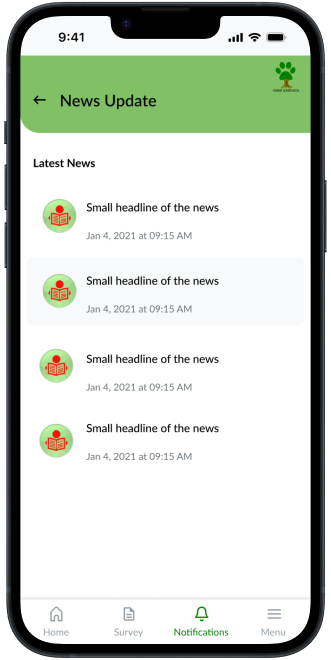
ATG: Global social network for connections and collaboration. Find like-minded individuals, explore internships, jobs, and events. Access expert-created content to broaden your knowledge.

item name

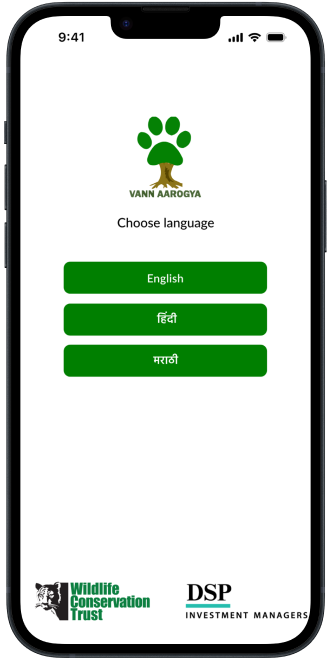
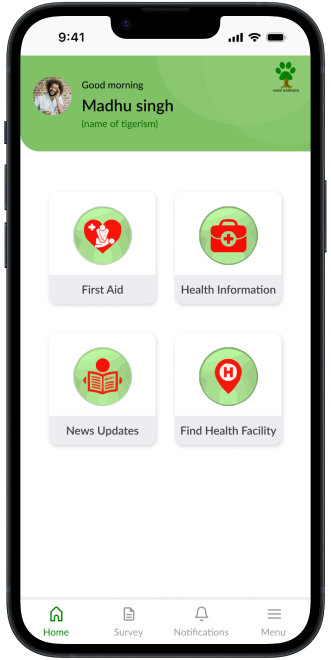
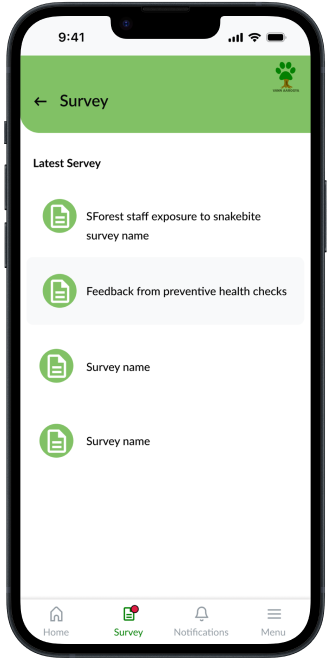
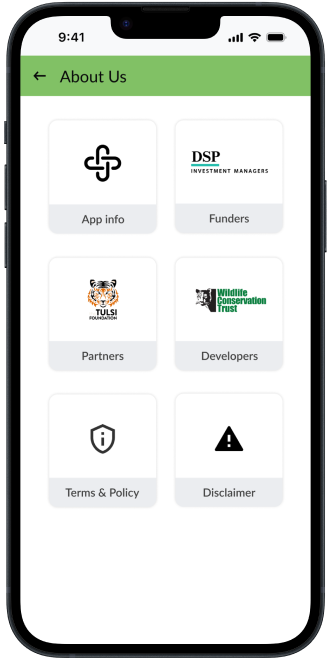
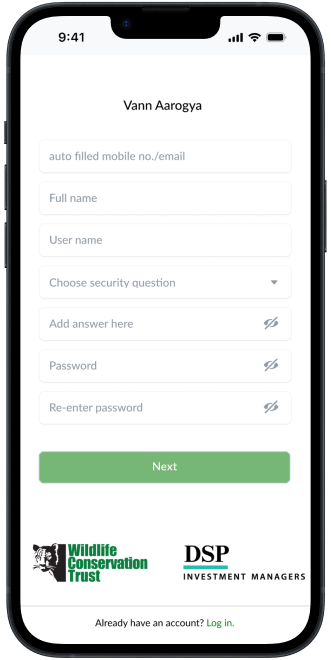
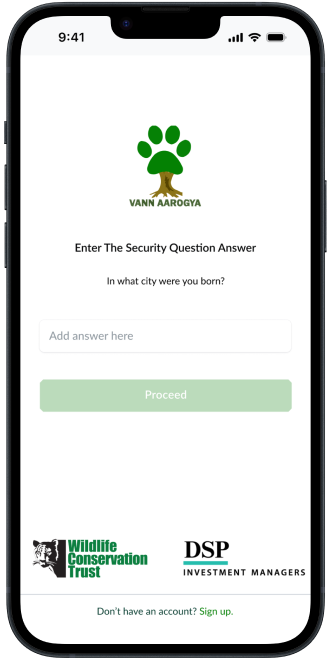
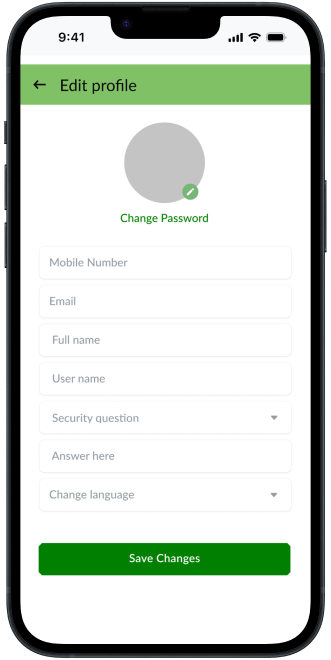
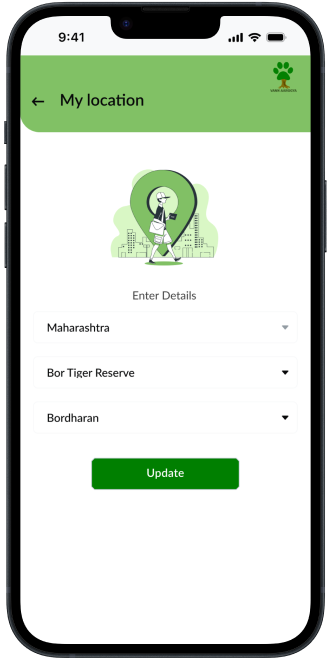
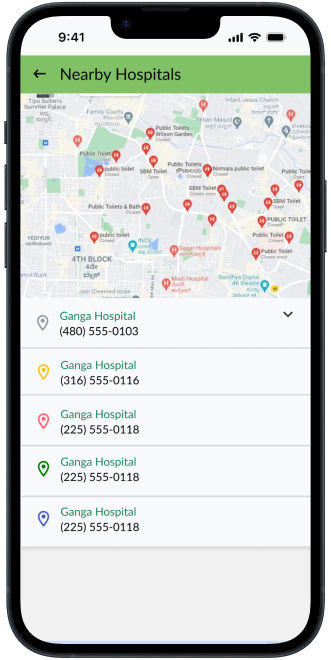
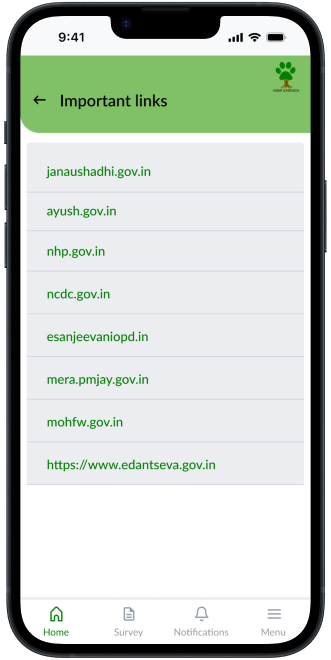
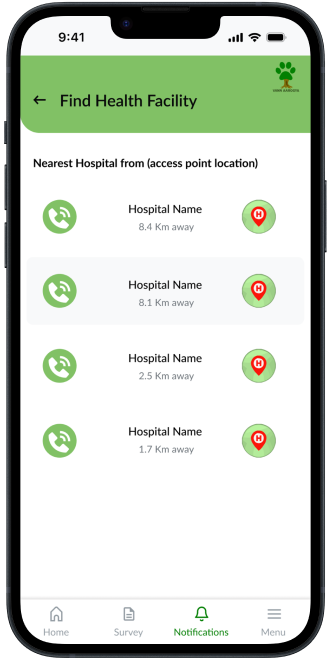
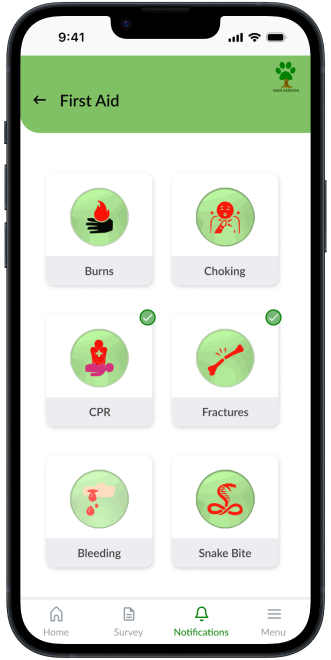
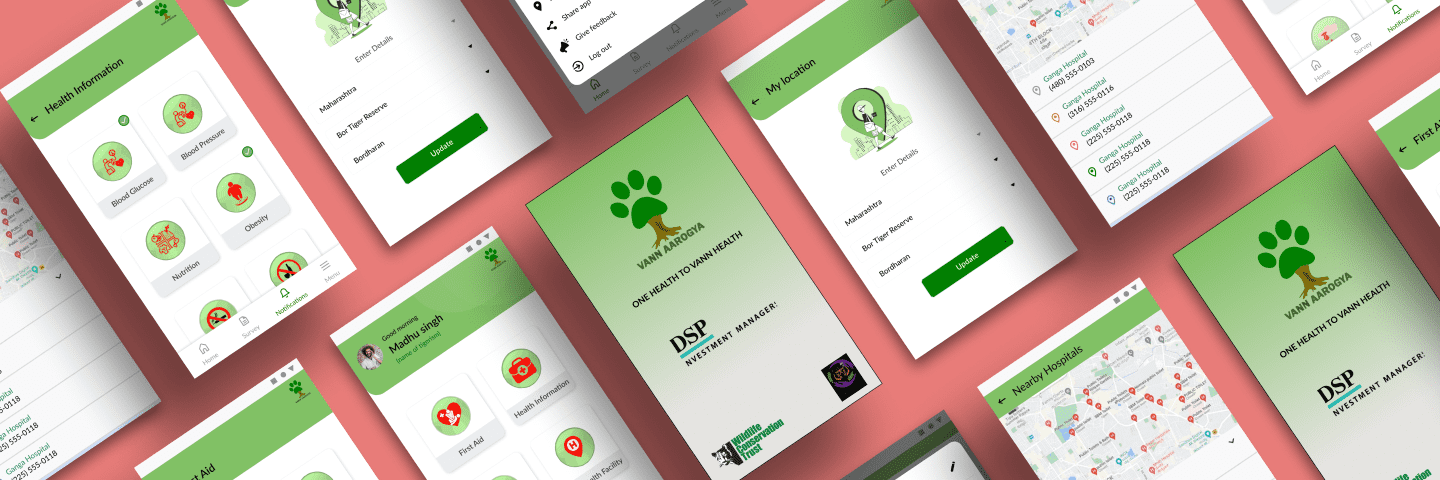
Wildlife Conservation Trust (WCT): NGO since 2002, catalyzing sustainable ecosystems. Collaborates with gov't and NGOs, providing funding and support. WCT INDIA app aids tiger conservation volunteers.

item name

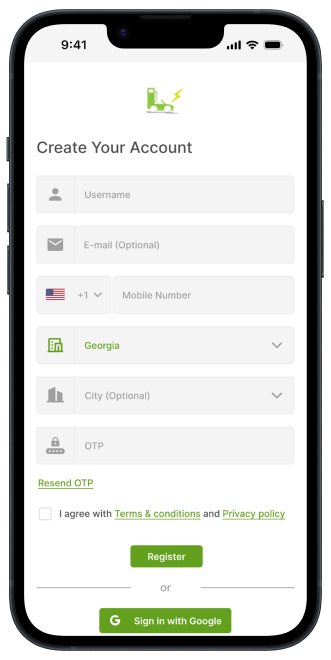
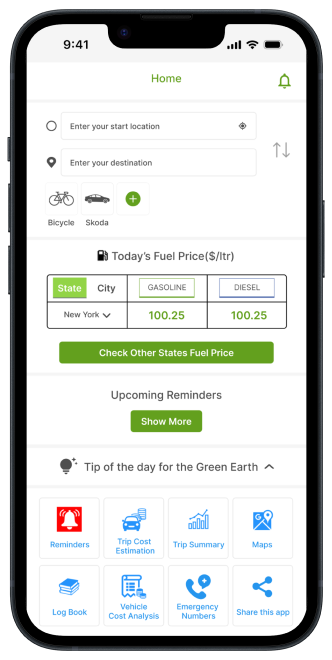
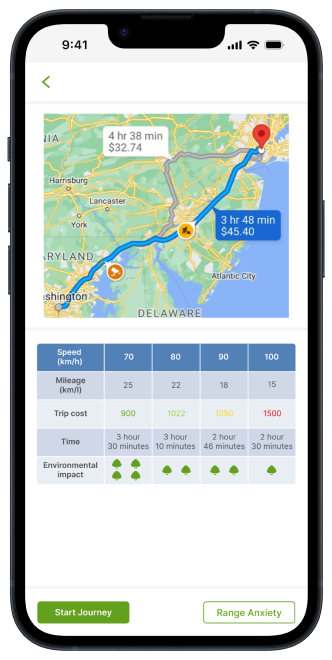
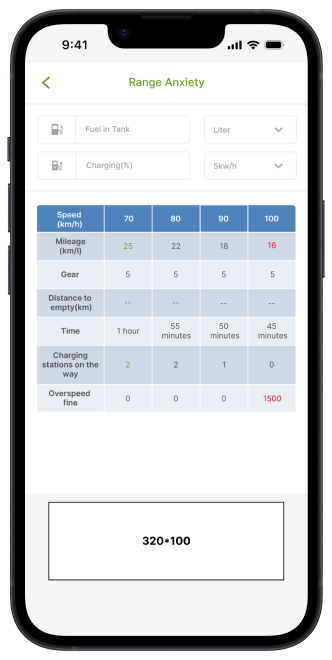
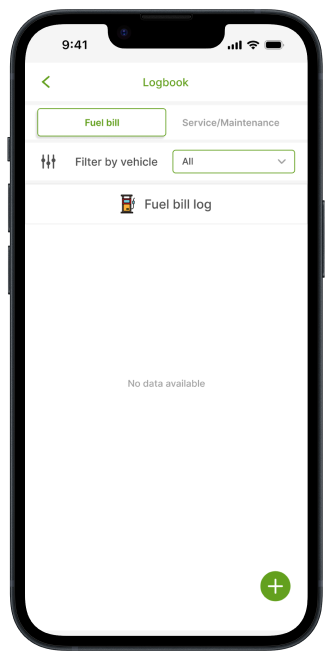
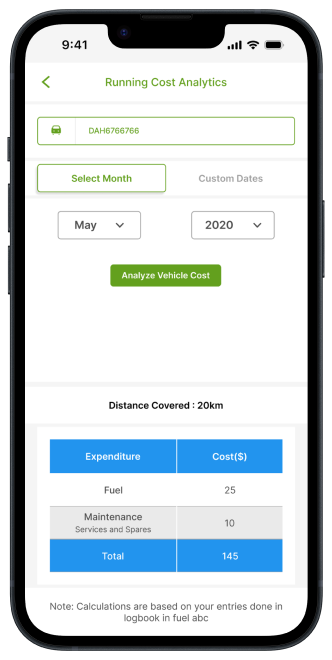
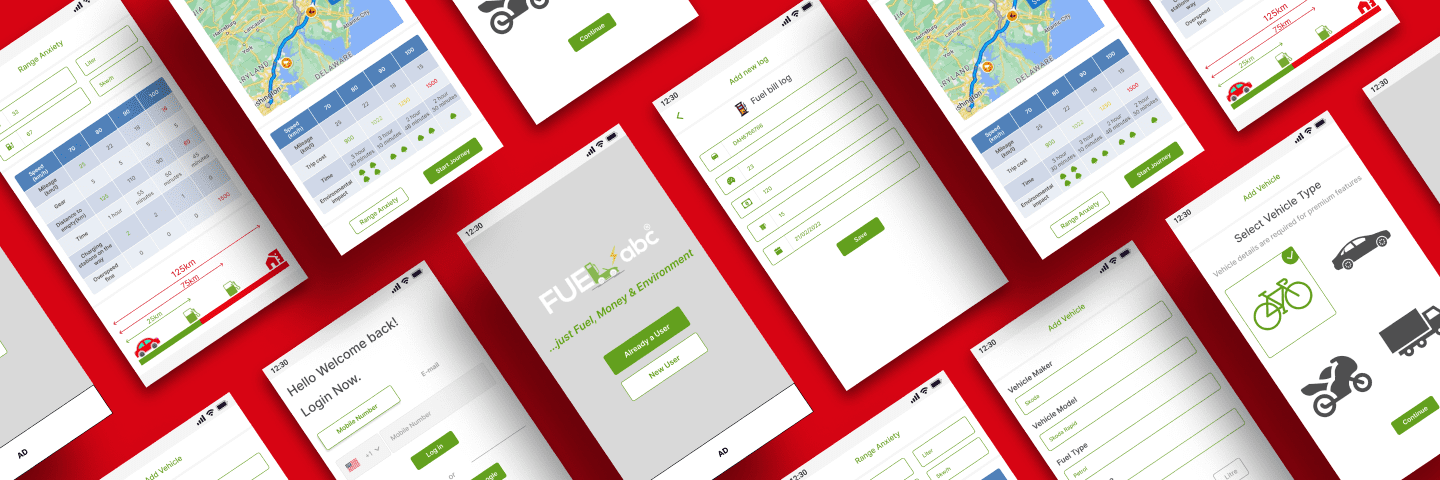
Fuel ABC app: Your fuel info hub, savings, insurance, and metrics. Expanding to serve the US and UK markets.

Our Android Application Development Process

Discovery and Documentation

Discovery and Documentation

We start with the constraints that actually shape the build: target device tiers, minimum OS, peak concurrency, and the workflows users run most. We audit the existing stack — SDKs, CI/CD, release process — so the architecture fits how you already ship, not a greenfield ideal.

UI/UX Design

UI/UX Design

Design decisions are made against real conditions — thumb-reach, low connectivity, battery cost — and validated on mid-tier hardware, not just a flagship. Brand and motion follow, but usability on the devices your base carries comes first.

Development and Unit Testing

Development and Unit Testing

We build in short, reviewed increments — daily standups, weekly technical reviews, and CI/CD that runs unit and integration tests on every commit. Each surface is profiled on representative devices before it merges, so regressions surface in the pipeline, not the Play Store.

Quality Assurance

Quality Assurance

Dedicated QA runs continuous testing across a device matrix on BrowserStack — crash and ANR detection, flaky-test triage, and automated regression suites wired into CI/CD, so defects are caught on real hardware early in the cycle.

Deployment

Deployment

Releases go out as staged Play Store rollouts with live crash and ANR monitoring and real-time alerts — so a regression is caught at 1% of users and rolled back before it reaches the rest.

Support & Maintenance

Support & Maintenance

Post-launch we monitor release health, hold versions to a crash-free target, keep the app current with each Android OS release, and run periodic performance and security audits. Engineers stay available for feature work and upgrades on a retainer.

loader
Slider image with loader
loader
Slider image with loader
loader
Slider image with loader
loader
Slider image with loader
loader
Slider image with loader
loader
Slider image with loader
loader
Slider image with loader
loader
Slider image with loader
loader
Slider image with loader
loader
Slider image with loader
loader
Slider image with loader
loader
Slider image with loader
loader
Slider image with loader
loader
Slider image with loader
loader
Slider image with loader
loader
Slider image with loader
loader
Slider image with loader
loader
Slider image with loader
loader
Slider image with loader
loader
Slider image with loader

Looks what client say about us...

Vinod Rajpal undefined

Vinod Rajpal

Project Manager, Whiteboard App

Rachiket Arya undefined

Rachiket Arya

Co-founder and CTO, Jackett

Parth Sethia undefined

Parth Sethia

Product Manager, O-line-O

The people are helpful and understanding!

The whiteboard app was a difficult project for any team to accomplish. I am glad we chose Banao for the app development which is now shipped as part of our Android TVs.

Join 1,000+ growing businesses that prefer Banao to build their brands.

Where we're located

United Kingdom

United Kingdom

USA

USA

California, USA

India

India

Chandigarh, IN

United Kingdom

United Kingdom

USA

USA

California, USA

India

India

Chandigarh, IN

Let's Build Something Great Together. 🤝

Here is what you will get for submitting your contact details.

  • check45 minutes of free consultation
  • checkA strict non-disclosure agreement
  • checkFree market & competitive analysis
  • checkSuggestions on revenue models & planning
  • checkDetailed feature list document
  • checkNo obligation proposal
  • checkAction plan to kick start your project
pattern background

GET IN TOUCH WITH OUR EXPERTS TO TURN YOUR IDEA INTO REALITY.

Frequently asked questions

We choose against your constraints, not a house preference. Performance-critical surfaces — camera, real-time, heavy data — go native in Kotlin or Java. When Android/iOS parity and time-to-market lead, we use Flutter or React Native with native modules for anything the shared layer can't reach. The decision is made on your latency budget, team skills, and roadmap, and we document the trade-off so it's auditable later.

It depends on scope, but we work in measurable phases. UI/UX design typically runs 1–4 weeks; the build runs 1–6 weeks per release depending on complexity, integrations, and the device matrix you support. We ship in increments under an agile process, so you see a working build early and releases widen in stages rather than landing as one high-risk launch.

We instrument what we ship. Every release carries crash reporting and ANR tracing, segmented by device tier and OS version, and goes out as a staged Play Store rollout held to a crash-free-session target before it widens. Testing runs on a real-device matrix, not just emulators, so the long tail of chipsets and OS versions is covered before users hit it.

After launch we monitor release health — crash-free sessions, ANR rates, and performance per device tier — and act on regressions before ratings move. Support covers CI/CD for ongoing releases, OS-upgrade readiness, security patches, and feature work, typically on a retainer so your release cadence doesn't stall waiting on availability.

We build across the full Android surface: smartphone and tablet apps, foldables, Android TV, Wear OS, and Android Auto — with the architecture and testing matrix adjusted to each form factor's input model, screen behavior, and performance envelope.

Yes — a large share of our work is rescuing apps with sliding ratings, stalled release trains, or code nobody wants to touch. We start by reading the crash and ANR data, stabilize the regressions driving uninstalls, then redesign or re-architect incrementally so the app keeps shipping and the store rating recovers while we work.

Still, have a question?

If you cannot find answer to your question in our FAQ, You can always contact us. We’ll answer to you shortly!